
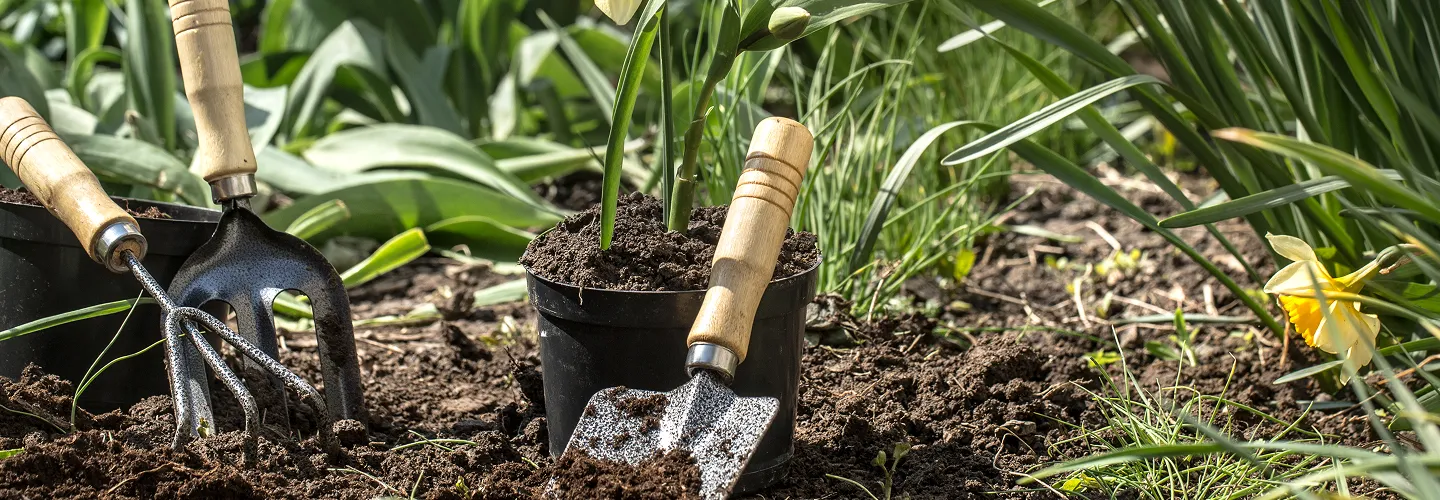
Cleveland Flower Bed Maintenance Services
Choose our expert Flower Bed Maintenance for lush, healthy blooms and weed-free beds—so you can enjoy a beautiful, thriving landscape without the hassle.
Get a Free QuoteContact
Benefits of Flower Bed Maintenance in Cleveland
Enhanced Curb Appeal
Weed and Pest Prevention
Healthier Plant Growth
Seasonal Color Management
Professional Expertise
Time and Effort Savings
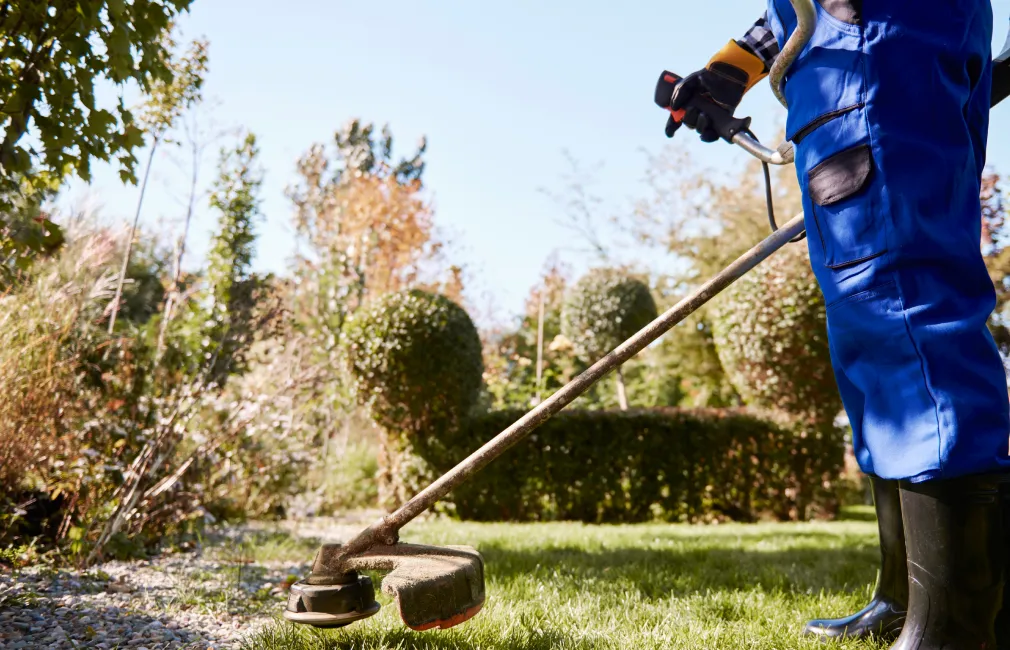
Cleveland Flower Bed Maintenance Types

Seasonal Flower Planting
-
Weed Control Services
-
Mulching and Soil Amendment
-
Pruning and Deadheading
-
Edging and Bed Redefinition
-
Fertilization Programs
-
Pest and Disease Management
Our Flower Bed Maintenance Process
Site Evaluation
Weed Removal
Soil Preparation
Plant Care
Mulching
Why Choose Cleveland Landscape Services
-
Cleveland Homeowners Trust Us
-
Expert Lawn Maintenance
-
Reliable Seasonal Cleanup
-
Competitive Pricing
-
Professional Team
-
Satisfaction Guarantee
-
Personalized Service
Soil Series and Drainage Considerations for Flower Beds in Cleveland
Cleveland, TX is characterized by Vertisols and Mollisols, including the Houston Black clay series, which are known for their high clay content, slow drainage, and seasonal water retention. These soils typically have a pH range of 7.0-8.0, requiring careful amendment for optimal flower bed health. For best results, incorporate 2-3 inches of compost tilled to a 6-inch depth and consider lime only if pH falls below 6.5. Soil testing is available through the Texas A&M AgriLife Extension for a typical fee of $15-25. Raised beds are recommended in areas with poor drainage or frequent ponding. Research local soil characteristics using the USDA Web Soil Survey to determine specific amendment needs.
Cleveland Public Works Department
907 E. Houston Street, Cleveland, TX 77327
Phone: (281) 592-2667
Official Website: Cleveland Public Works Department
Seasonal Timing and Climate Zone Guidance for Cleveland Flower Beds
Cleveland is located in USDA Hardiness Zone 8b, with average annual minimum temperatures of 15-20°F. The optimal planting window for most perennial and annual flowers is February 15 to April 15 for spring beds, and September 15 to October 31 for fall installations. Avoid planting during peak summer (June-August) due to heat stress and high evaporation rates. Monitor local weather patterns using the National Weather Service Houston/Galveston Office, as late frosts can occur through early March. Key timing recommendations include:
- Spring planting: February 15 - April 15 (soil temp 55-65°F)
- Fall planting: September 15 - October 31
- Mulch application: March and October
- Fertilization: Early March and late September
Municipal Regulations and Flower Bed Maintenance Standards in Cleveland
Flower bed maintenance in Cleveland is governed by municipal ordinances addressing property appearance, debris management, and equipment operation. All powered equipment must be operated during the following hours:
- Monday-Friday: 7:00 AM - 7:00 PM
- Saturday: 8:00 AM - 6:00 PM
- Sunday and holidays: Prohibited Debris from flower bed cleanups, such as leaves and trimmings, must be placed in biodegradable bags or 32-gallon reusable bins for curbside collection on Thursdays, April through November. Plastic bags and branches over 4 inches in diameter are not accepted. Property owners are responsible for maintaining a 25-foot buffer from wetlands and drainage ditches, in compliance with the Clean Water Act and local MS4 permit requirements.
Cleveland Code Enforcement Department
907 E. Houston Street, Cleveland, TX 77327
Phone: (281) 592-2667
Official Website: Cleveland Code Enforcement Department
Environmental Compliance for Flower Bed Maintenance in Cleveland
All flower bed maintenance activities in Cleveland must comply with state and federal environmental regulations, including the Texas Water Code and Clean Water Act. The Texas Commission on Environmental Quality (TCEQ) oversees stormwater management under the MS4 permit, which prohibits the discharge of soil, mulch, or plant debris into storm drains. Maintain a 25-foot no-disturbance buffer from wetlands and water bodies, and avoid fertilizer or pesticide application within 50 feet of these areas. Use only products registered with the EPA and follow label rates. For technical guidance, consult the Texas A&M AgriLife Extension or the EPA Region 6 office.
Texas Commission on Environmental Quality
12100 Park 35 Circle, Austin, TX 78753
Phone: (512) 239-1000
Official Website: Texas Commission on Environmental Quality
Plant Selection and Native Species Recommendations for Cleveland Flower Beds
Selecting appropriate plant species for Cleveland’s climate and soils is essential for sustainable flower bed maintenance. Recommended species for full sun include black-eyed Susan (Rudbeckia hirta), purple coneflower (Echinacea purpurea), and daylily (Hemerocallis spp.). For partial shade, consider coral bells (Heuchera americana), astilbe (Astilbe spp.), and hosta (Hosta spp.). Deer-resistant options include lavender (Lavandula angustifolia), Russian sage (Perovskia atriplicifolia), and salvia (Salvia nemorosa). Native species such as wild bergamot (Monarda fistulosa), Joe Pye weed (Eutrochium purpureum), and cardinal flower (Lobelia cardinalis) support pollinators and require less irrigation. Space perennials 18-24 inches apart for optimal density. For further guidance, refer to the Texas A&M AgriLife Extension plant selection resources.
What Neighborhoods Do We Serve Throughout Cleveland, TX?
- Downtown Cleveland: Features older properties with compacted clay soils and limited green space, requiring raised beds and careful drainage management.
- North Cleveland: Characterized by larger lots, mature trees, and proximity to the San Jacinto River, necessitating attention to floodplain regulations and wetland buffers.
- Southside Estates: Newer developments with improved drainage infrastructure but often sandy subsoils, making soil amendment and mulching critical for moisture retention.
- Glen Park: Noted for its established landscaping, moderate slopes, and occasional runoff issues, requiring erosion control measures and buffer maintenance.
- Pinewood Forest: Dense tree canopy and acidic soils present challenges for sun-loving species and require shade-tolerant, acid-adapted plantings.
- Trinity River District: Located near conservation areas and water bodies, subject to strict environmental compliance and buffer zone enforcement.
- East Cleveland: Mix of residential and commercial properties with variable soil quality and frequent utility easements, impacting bed placement and maintenance access.